


Low Water Navigation:
How Drought Affects
European River Cruising
If you’ve kept an eye on weather and river reports from Europe this summer, you’ve probably seen plenty about historically low water levels. The Danube and Rhine in particular have been hit by a severe drought that has periodically disrupted navigation along parts of both rivers. This is the worst drought along these waterways in 30 years, so it is definitely not the norm.
I recently attended a webinar with the CEO of AmaWaterways, Catherine Powell, and their climate expert. It was raining at the time in Basel, and everyone was feeling guardedly optimistic about water levels heading into the fall.
Why Water Levels Matter So Much
River cruise ships have a typical draft of just 5-6 feet, which is how far the ship extends below the waterline. That shallow draft is central to ship design, as is the width of the vessel. Both allow ships to navigate through locks.
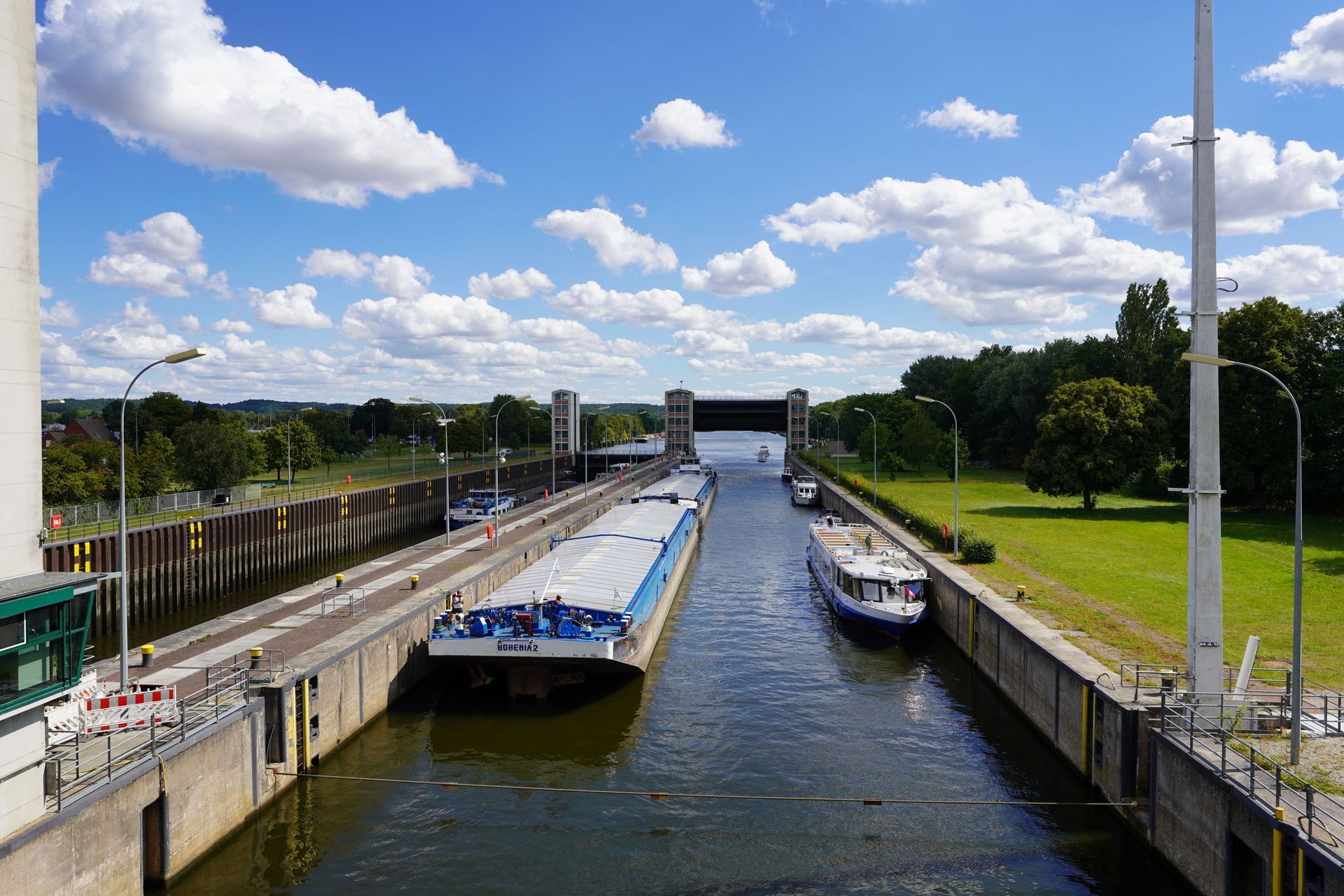
Locks are (super cool!) engineered passages that raise or lower ships between sections of river at different heights. On a typical 7-night cruise between Budapest and Passau, for example, a ship passes through 11-12 locks. Each one takes roughly 30 minutes, usually overnight.
So What Happens When the Water Drops?
It’s easy to see how a significant drop in water levels can affect an itinerary. Reputable cruise lines have used a few approaches this summer:
- Ship swaps: Passengers and their luggage transfer to another vessel on the far side of a low-water point, and the journey continues from there.
- Hotel stays: Passengers may spend a night or two in a 4-5 star hotel in a city where the ship would ordinarily be docked. Excursions continue, and meals are provided at the cruise line’s expense.
- Motor coach transport: Coaches carry guests to stops that aren’t currently reachable by water (think comfortable bus with a bathroom). Coaches are already a common part of river cruise itineraries, so this is a fairly seamless fix.
- Cancel, reschedule, or credit: With enough notice, lines may let passengers cancel, rebook, or take credit toward a future voyage. Notice is the real challenge, because conditions change quickly. This is exactly why we get travel insurance, friends!
The Takeaway
With all these moving parts, it’s wise to choose a well-regarded river cruise line with a track record of exceptional customer service. It also helps to work with a travel advisor who can plan a journey least likely to be affected by water level shifts.
Your friendly neighborhood travel advisor is always happy to chat, so please reach out if you have questions!

Let's talk about your vacation
Schedule your complementary travel consultation with Cindy. Relax, and look forward to celebrating on your upcoming adventure.